What to Expect at Your First Boxing Class in Honolulu
Trying boxing for the first time can feel intimidating. You may imagine walking into a gym filled with experienced fighters, complicated drills, and people who already know exactly what they are doing.
The reality is that every boxer began with a first class.
A properly structured beginner boxing class introduces the fundamentals gradually. You are not expected to arrive in fighting shape, understand boxing terminology, or know how to throw a perfect punch. Your job during the first class is simply to listen, learn, and become comfortable with the training environment.
Iron Kingz offers boxing and other combat-sports programs from its gym in Mapunapuna, Honolulu. The gym is intended to serve beginners as well as experienced athletes.
Do You Need Boxing Experience Before Your First Class?
No. Beginner boxing instruction is designed for people who have little or no previous experience.
Your coach will normally begin by teaching a few foundational skills rather than asking you to memorize long combinations. These may include:
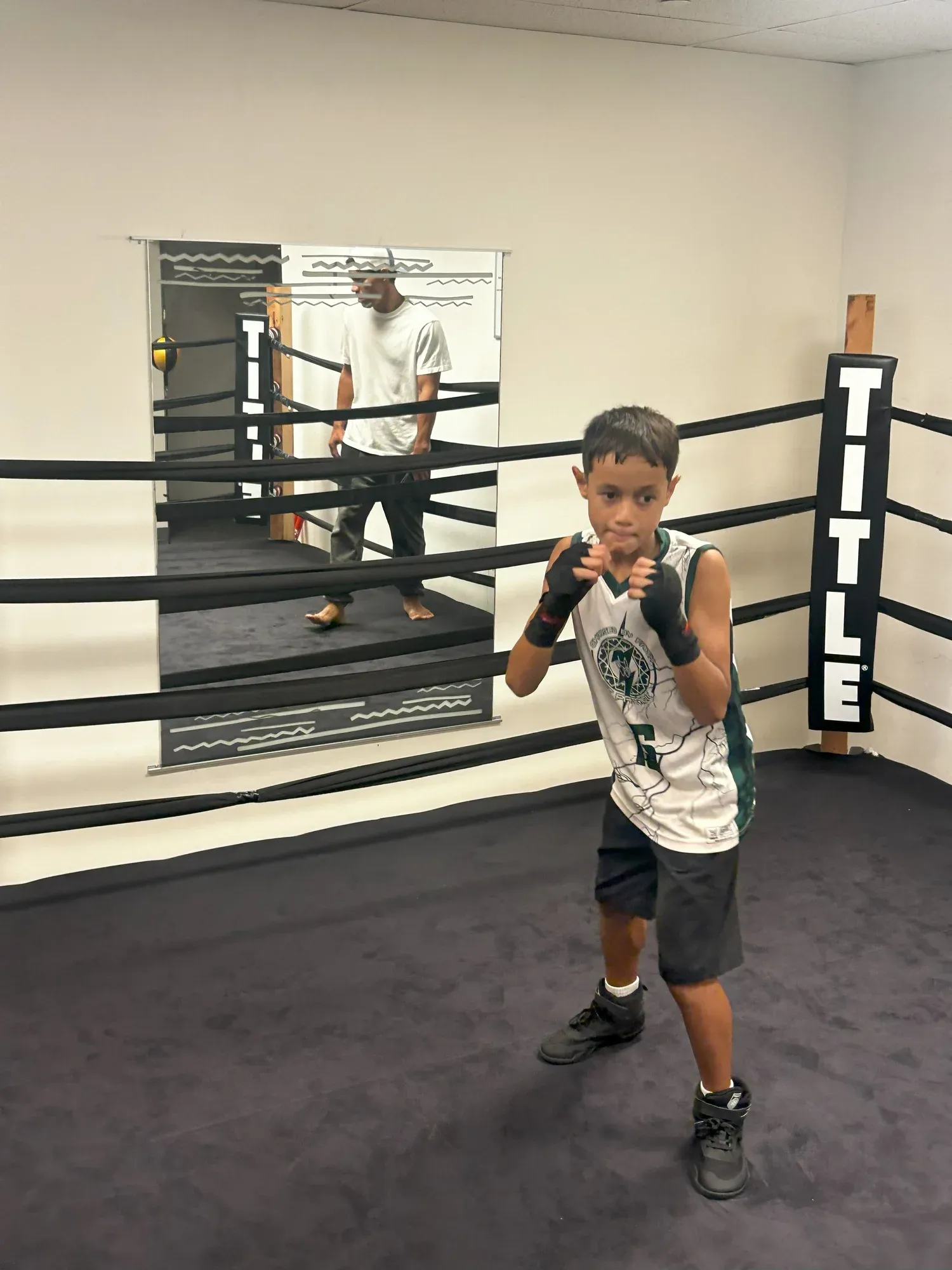
- How to stand in a balanced boxing stance
- Where to position your hands
- How to move forward, backward, and sideways
- How to throw a jab and cross
- How to return your hands to your guard
- How to breathe while punching
- How to protect your wrists and knuckles
Do not worry about speed or power during your first session. Proper balance, positioning, and technique matter more than hitting hard.
What Happens During a Beginner Boxing Class?
Every coach structures training differently, but a beginner class commonly contains several stages.
1. Introduction and Preparation
Arrive early enough to meet the coach, complete any required paperwork, and ask questions about equipment.
Tell the coach that it is your first class. Also mention any injury, physical limitation, or medical consideration that may affect your participation.
2. Warm-Up
The class may begin with light movement, mobility work, shadowboxing, jump-rope exercises, or basic conditioning.
The purpose is to prepare your body for training. Work at a pace you can control rather than trying to match an experienced fighter during your first few minutes.
3. Boxing Stance and Footwork
Before learning combinations, you need a stable position from which to move, punch, and defend.
Your coach may help you determine which foot belongs in front, how far apart your feet should be, and how to move without crossing your legs or losing balance.
Footwork can feel unfamiliar at first. That is normal.
4. Basic Punches
Most beginners start with straight punches such as the jab and cross. Hooks, uppercuts, and defensive movements may be added as the class progresses.
Your coach should correct details such as:
- Wrist alignment
- Hand position
- Shoulder rotation
- Hip rotation
- Balance
- Guard recovery
Correcting these habits early is more valuable than throwing hundreds of rushed punches.
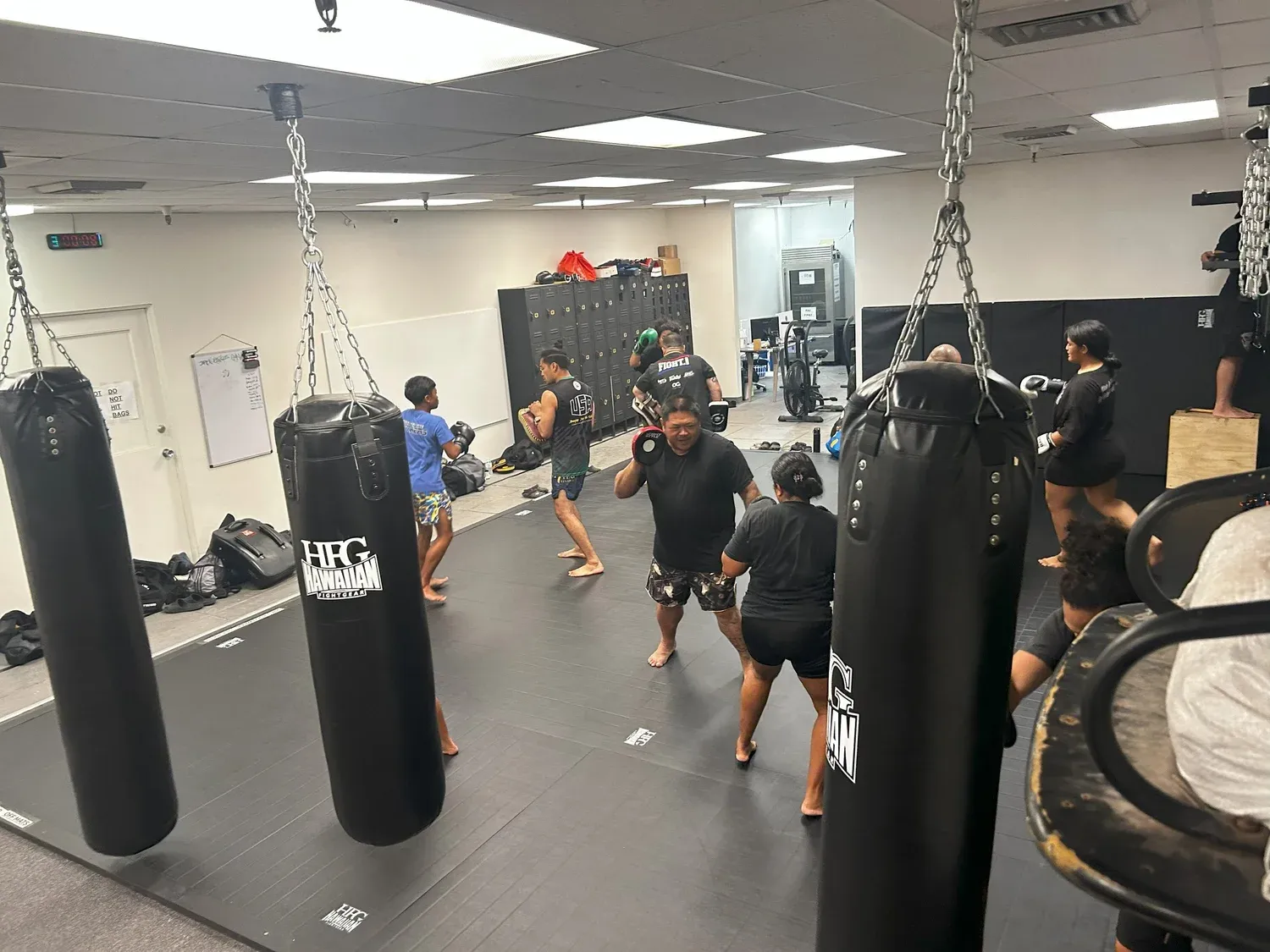
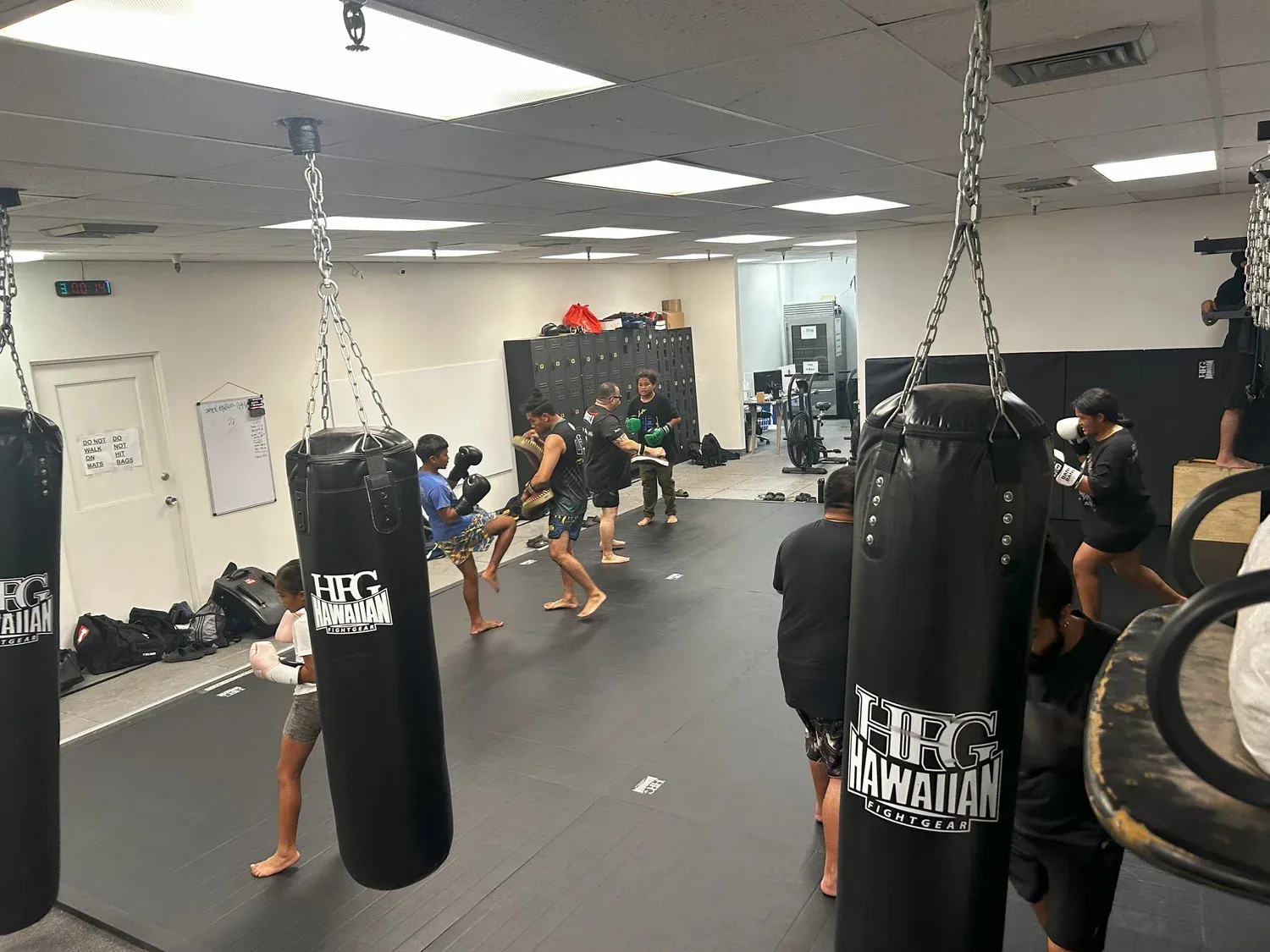
5. Bag, Mitt, or Partner Drills
Depending on the class, you may practice techniques through:
- Shadowboxing
- Heavy-bag rounds
- Focus-mitt drills
- Controlled partner exercises
- Footwork drills
- Defensive movement
Partner training does not automatically mean sparring. Many partner drills involve one person holding pads or presenting a controlled target.
6. Conditioning
Boxing classes frequently incorporate exercises that support stamina, movement, and overall athletic ability.
You may perform short rounds of bodyweight exercises, bag work, footwork, or core training. Take breaks when needed and communicate with the coach if you feel unwell.
7. Cooldown and Questions
Your first class should end with enough time to recover, stretch, and ask questions.
This is also a good time to find out which class you should attend next and what equipment you will eventually need.
Will You Have to Spar During Your First Boxing Class?
You should not assume that you will be required to spar.
Sparring is different from bag work, mitt work, and controlled technical drills. It involves practicing with another person under specific rules and supervision.
New students should learn proper stance, defense, movement, and control before participating in contact training. Ask the coach directly about the gym’s sparring policy and whether sparring is optional.
A professional gym should never pressure an unprepared beginner into hard contact.
What Should You Wear?
Wear clean athletic clothing that allows you to move comfortably.
Good first-class options include:
- Athletic shirt
- Shorts, leggings, or training pants
- Supportive athletic shoes when required
- Hair tie for long hair
- Minimal jewelry
Avoid restrictive clothing, clothing with exposed zippers, or anything that continually needs to be adjusted.
Because training rules differ, confirm whether the class uses athletic shoes or trains barefoot.
What Should You Bring?
Bring:
- Water
- A small towel
- Any required identification or completed forms
- Boxing gloves when you own them
- Hand wraps
- A positive attitude and willingness to learn
Ask Iron Kingz whether loaner gloves are available for introductory students before purchasing equipment.
Hand wraps help provide support beneath boxing gloves. Have a coach show you how to wrap your hands correctly rather than guessing from the first video you find online.
Do You Need to Be in Shape Before Starting Boxing?
You do not need to “get in shape” before attending a beginner class.
Training is part of the process of improving your fitness. A good coach can help you adjust the intensity while you develop technique and conditioning.
Do not compare your first class with someone else’s hundredth class. Focus on learning one skill at a time and completing the session safely.
Is Boxing Only for People Who Want to Compete?
No. People begin boxing for many different reasons, including:
- Learning a new skill
- Improving fitness
- Building confidence
- Developing discipline
- Training in a structured environment
- Joining a community
- Preparing for amateur competition
Iron Kingz serves people with different goals, including fitness, personal development, technical training, and competition.
Frequently Asked Questions
Can Adults Take Beginner Boxing Classes?
Yes. Adults can learn boxing fundamentals without previous combat-sports experience. Training intensity and goals should be adjusted to the individual.
Is Boxing Difficult for Beginners?
Boxing is challenging, but beginners are not expected to master everything immediately. Stance, breathing, and footwork often feel awkward before they become natural.
Will I Get Hit During My First Class?
Not necessarily. Many beginner sessions focus on shadowboxing, bags, mitts, conditioning, and controlled drills. Ask about contact and sparring policies before class.
Should I Buy Gloves Before My First Boxing Class?
Confirm the gym’s equipment policy first. The coach may recommend a particular glove size based on your training.
How Early Should I Arrive?
Arriving approximately 15 minutes early generally provides time to check in, meet the coach, and prepare. Confirm the gym’s exact arrival instructions when booking.
Start Boxing in Honolulu
Iron Kingz is located at:
851 Mapunapuna Street, Unit D
Honolulu, Hawaii 96819
You do not need previous experience to take the first step. Choose your program, review the schedule, and reserve an introductory session.
Start training in Honolulu
Book an intro and we’ll help you take the first step.