Kickboxing Workouts for Beginners: How to Start Safely
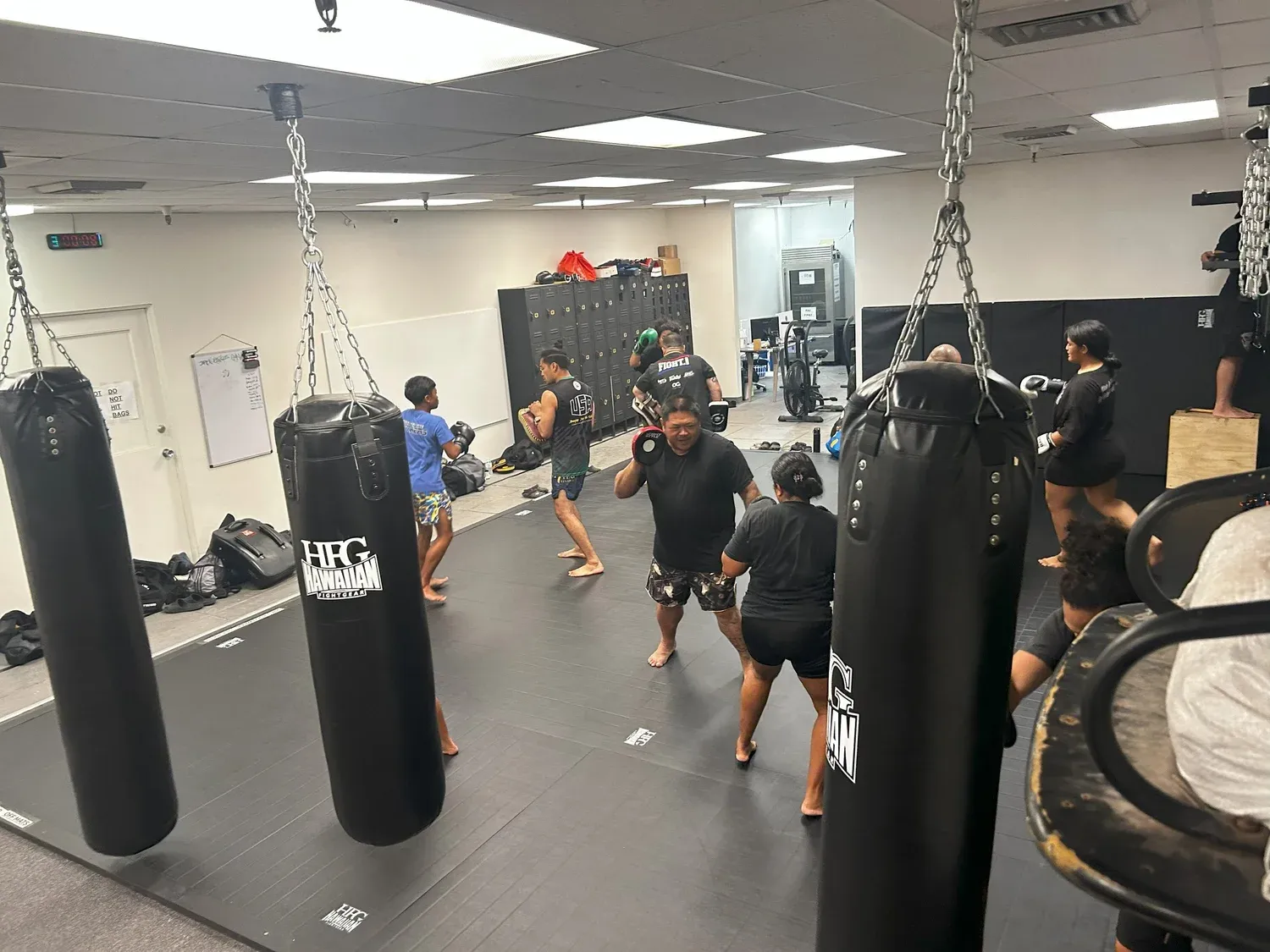
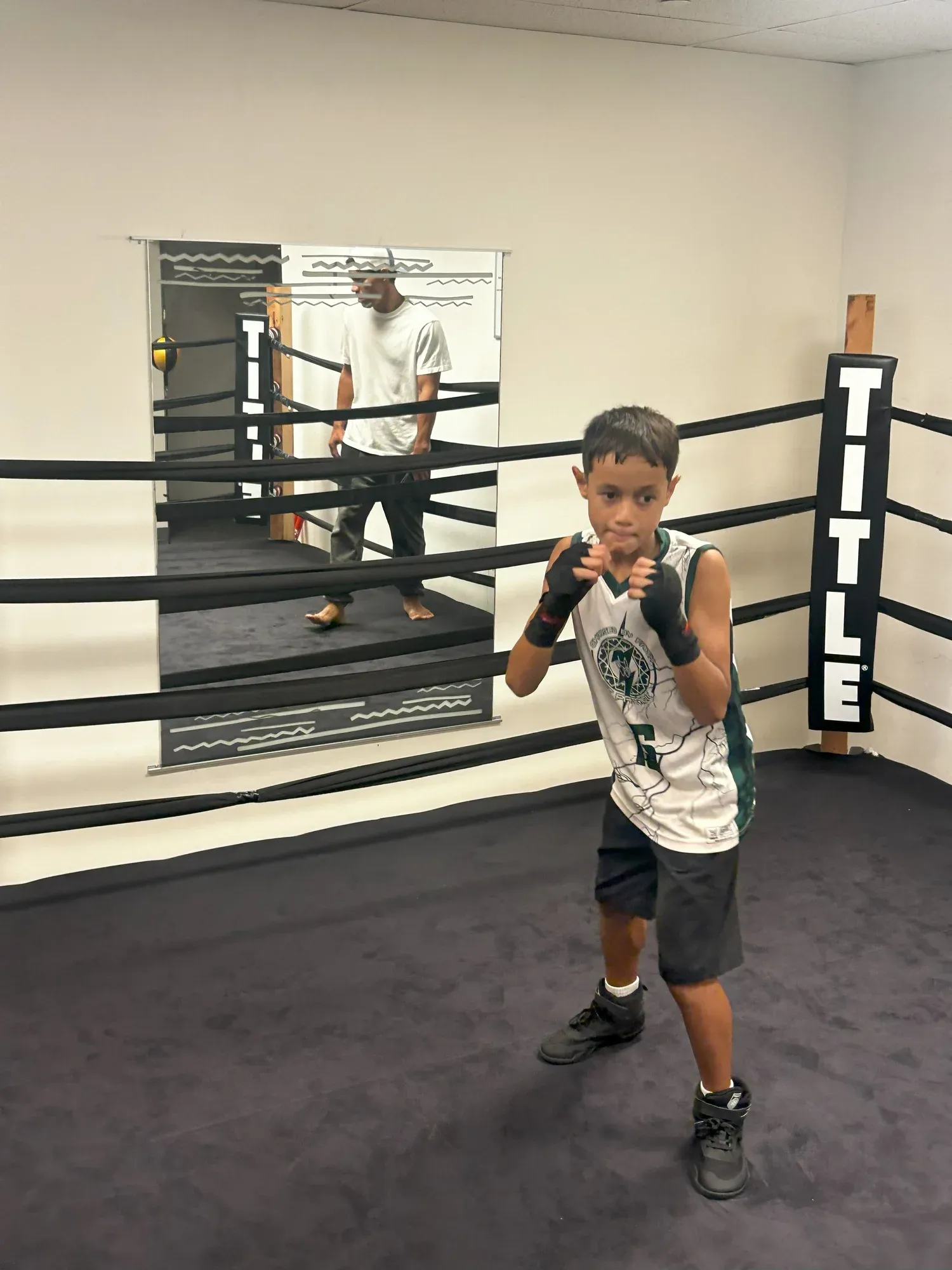
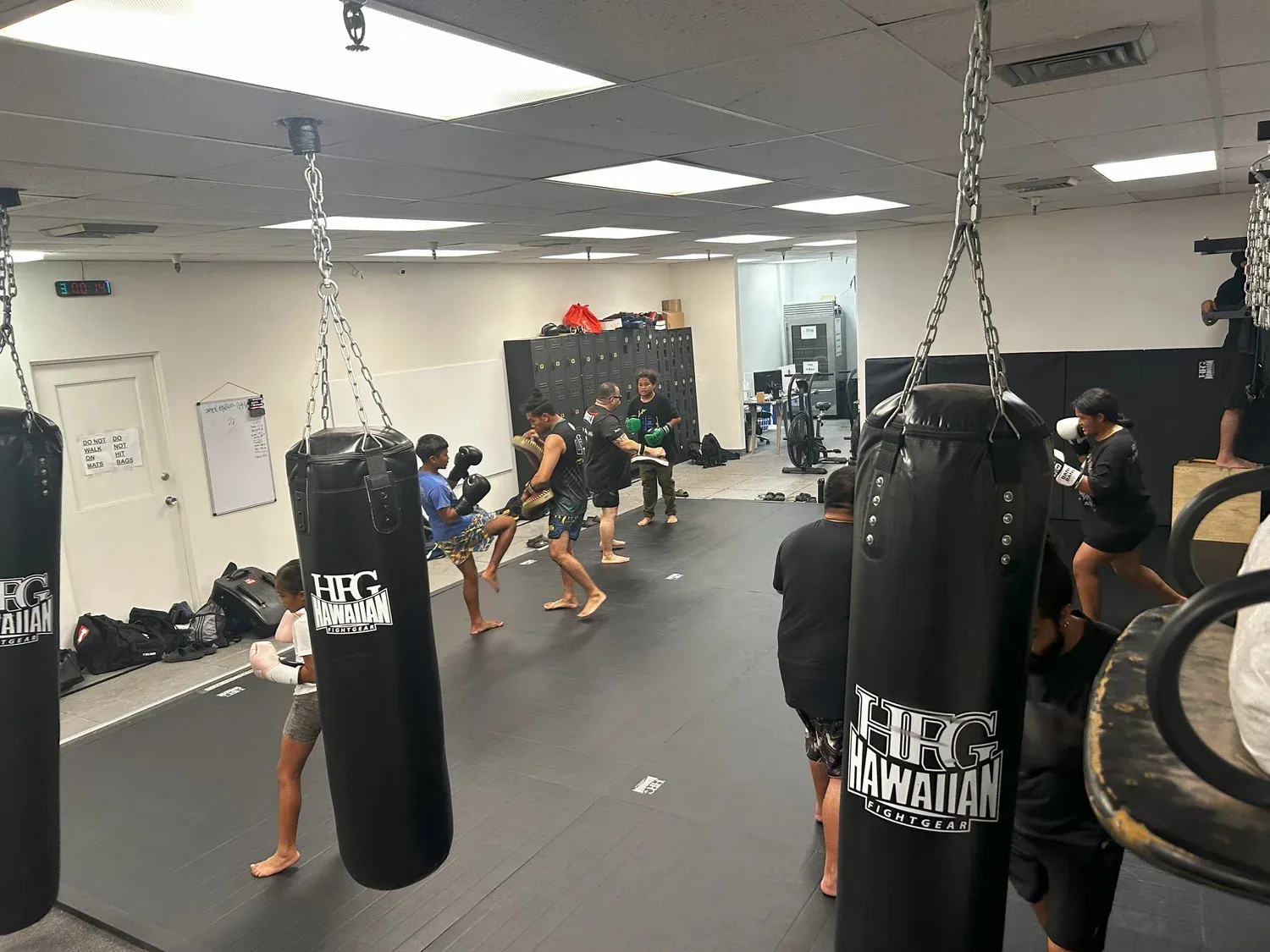
Kickboxing combines striking, movement, coordination, and conditioning in one challenging form of training.
It can look complicated when you watch experienced athletes move through long punch-and-kick combinations. Beginners, however, do not need to start with advanced techniques or exhausting workouts.
The best beginner kickboxing workout emphasizes control, balance, and repetition.
This updated guide covers beginner equipment, basic punches, kicks, safety, and a simple starter workout.
Can You Start Kickboxing With No Experience?
Yes. A beginner should start by learning:
- A stable stance
- Basic movement
- Proper guard position
- Straight punches
- Simple kicks
- How to return safely to the starting position
You do not need to arrive with excellent flexibility or endurance. Those qualities can develop gradually through consistent training.
What Does Kickboxing Train?
Kickboxing classes may challenge several physical skills at once:
- Coordination
- Balance
- Footwork
- Cardiovascular endurance
- Muscular endurance
- Mobility
- Timing
- Reaction
- Mental focus
Because the movements use the upper body, lower body, and core, the workout can feel different from exercising on a treadmill or using traditional gym machines.
Results differ among individuals, and no workout should promise a specific amount of weight loss or calories burned.
Beginner Kickboxing Techniques
A first class may introduce some of the following movements.
Jab
The jab is usually thrown with the lead hand. It can help establish distance and begin combinations.
Focus on extending the punch cleanly and returning your hand to your guard.
Cross
The cross is generally thrown with the rear hand. It involves coordinated movement through the foot, hip, torso, and shoulder.
Power should come from proper body mechanics, not from swinging the arm wildly.
Front Kick
A front kick travels forward toward the target. Beginners should first learn how to lift the knee, maintain balance, extend under control, and return to their stance.
Round Kick
A round kick uses rotation to travel toward the side of a target.
Do not begin by trying to kick as hard or as high as possible. Correct balance, hip movement, and a controlled return are more important.
Defensive Movement
Kickboxing is not only about attacking.
Beginners should also learn:
- Guard position
- Blocks
- Distance management
- Basic evasive movement
- How to move without crossing their feet
- How to reset after a combination
A Simple Beginner Kickboxing Workout
This is a low-impact shadowboxing routine for general practice. It does not replace coaching.
Do not strike a hard bag with maximum force until a qualified coach has checked your stance, wrist alignment, and kicking mechanics.
Warm-Up: Five Minutes
Perform comfortable movements such as:
- Walking or light jogging in place
- Arm circles
- Hip rotations
- Gentle leg swings
- Bodyweight squats
- Light footwork
The warm-up should prepare you for movement, not exhaust you before training begins.
Round One: Stance and Movement
Work for two minutes.
Practice:
- Stepping forward
- Stepping backward
- Moving left and right
- Returning to your stance
- Keeping your hands in position
Rest for one minute.
Round Two: Jab and Cross
Work for two minutes.
Practice slowly:
- Single jab
- Single cross
- Jab-cross
- Jab, reset, and move
- Jab-cross, reset, and move
Focus on breathing and returning both hands to your guard.
Rest for one minute.
Round Three: Front Kicks
Work for two minutes.
Alternate controlled front kicks. Reset fully after every repetition.
Avoid leaning excessively backward or kicking higher than you can control.
Rest for one minute.
Round Four: Simple Combination
Work for two minutes.
Practice:
- Jab
- Cross
- Front kick
- Return to stance
- Move away under control
The goal is smooth coordination, not maximum speed.
Cooldown: Five Minutes
Finish with:
- Slow walking
- Controlled breathing
- Gentle calf stretching
- Light hip mobility
- Shoulder and upper-back mobility
Do not force stretches or bounce aggressively.
What Equipment Do Beginners Need?
Equipment requirements depend on the class and gym.
Common items include:
- Boxing gloves
- Hand wraps
- Comfortable training clothing
- Water
- Towel
- Shin guards for certain partner drills
- Mouthguard for contact training
Do not purchase competition equipment before speaking with your coach. The appropriate glove size and protective gear depend on the type of training.
Should Beginners Train at Home?
Light footwork, mobility, and controlled shadowboxing can help reinforce skills between classes.
However, training entirely by yourself can make it difficult to recognize mistakes. Incorrect wrist position, poor balance, or improper kicking mechanics may become habits when repeated without feedback.
Use home practice to reinforce techniques your coach has already taught, not to teach yourself advanced techniques from random videos.
Should Beginners Hit the Heavy Bag?
The heavy bag is useful, but it is not automatically safe simply because it does not hit back.
Beginners often make mistakes such as:
- Bending the wrist during punches
- Standing too close
- Swinging instead of rotating
- Kicking with poor alignment
- Sacrificing balance for power
- Continuing after technique deteriorates
Begin with controlled contact and ask a coach to observe your form.
How Often Should a Beginner Train?
Consistency is more important than immediately training every day.
Begin with a schedule that gives your body enough time to recover and allows you to maintain good technique. Your coach can recommend frequency based on your fitness, experience, and goals.
Someone interested in general fitness may follow a different schedule from an athlete preparing for competition.
Frequently Asked Questions
Is Kickboxing Beginner Friendly?
Yes, when instruction is structured for beginners and the coach adjusts the complexity and intensity appropriately.
Will I Have to Fight Another Person?
No. Learning kickboxing does not automatically require competition or hard sparring.
Is Kickboxing the Same as Muay Thai?
They are related striking disciplines but are not identical. Muay Thai traditionally includes punches, kicks, knees, elbows, and clinch work. The exact techniques used in kickboxing depend on the ruleset.
Can Kickboxing Help Improve Fitness?
Kickboxing can provide vigorous physical activity and challenge endurance, coordination, and muscular stamina. Individual results depend on consistency, effort, recovery, and other factors.
What Is the Biggest Beginner Mistake?
Trying to generate maximum power before learning balance and technique.
Begin Kickboxing Training in Honolulu
Reading about kickboxing can help you prepare, but coaching is what turns movements into usable skills.
Iron Kingz offers striking and martial-arts programs in Mapunapuna for different goals and experience levels.
Start training in Honolulu
Book an intro and we’ll help you take the first step.